Pamella Roland · New York City · September 11, 2026
A New Room
The Spring 2027 Collection Film
Watch the February film
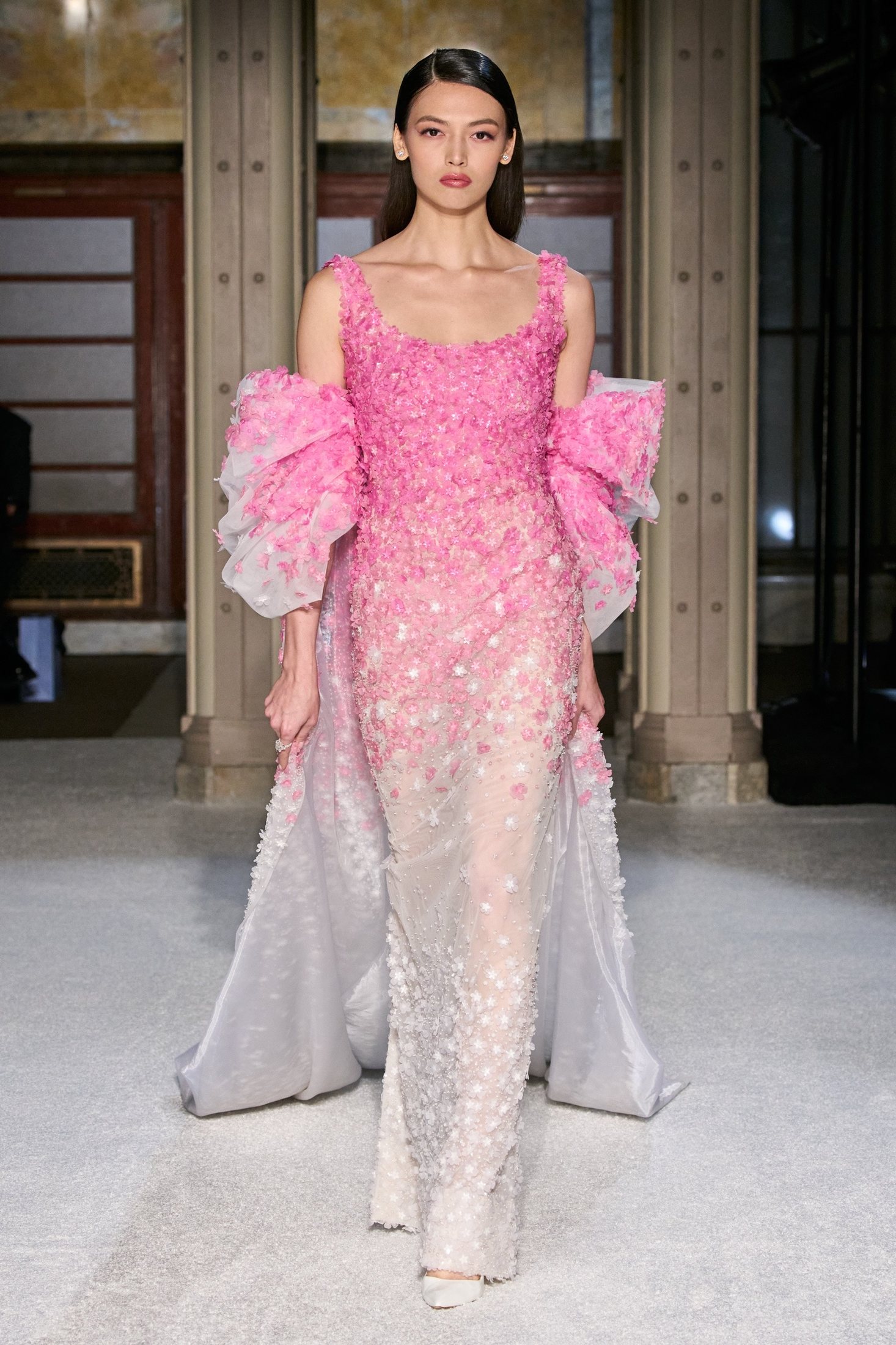
After eighteen years, the room changed.
The hands did not.
We open in the new space, early, before anyone arrives. The light. The height of it. The floors still unfamiliar.
Eighteen years at one address, and this is the first collection made here. That is the film's opening question, and Pamella is the only one who can answer it.
The back room. Cutting, sewing, the beadwork. One garment followed from flat fabric to finished piece.
Almost no house in New York still makes the clothes where it shows them. This is the part of the story the audience has never been allowed to see, and it is the part that cannot be copied.
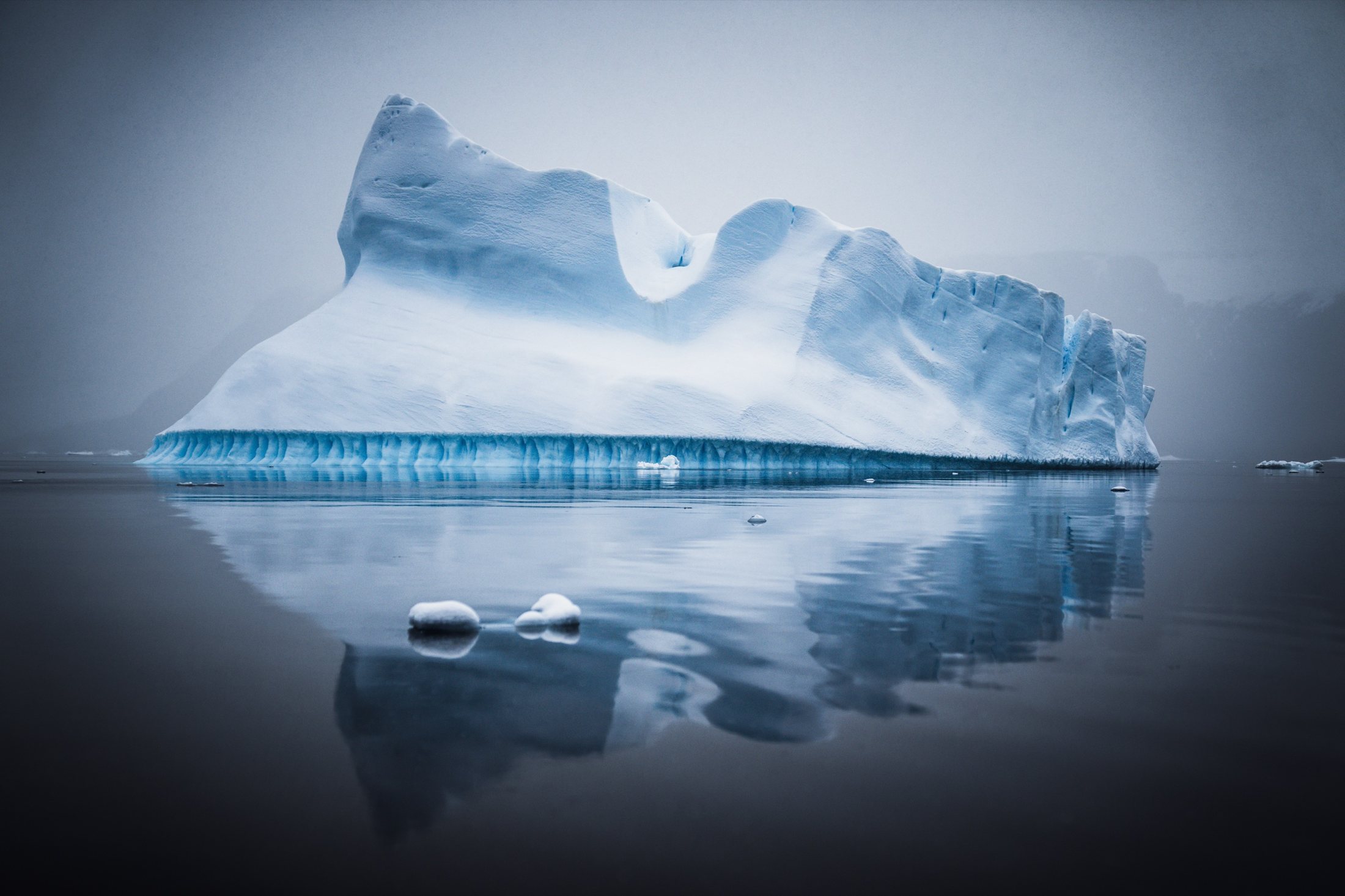
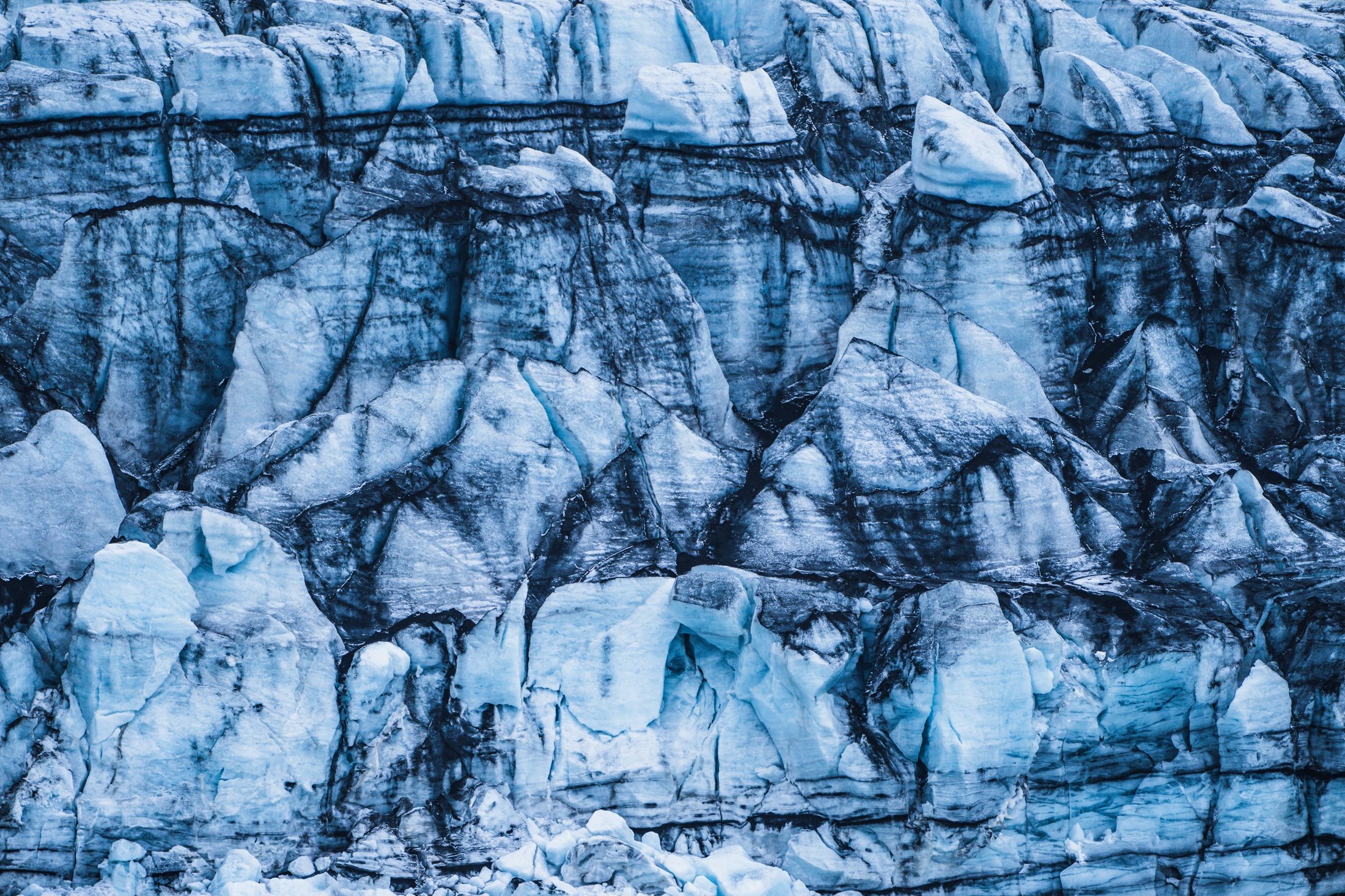
The part no other fashion house can claim. Most designers reference. Pamella goes to the place: Antarctica for the last collection, Norway for this one.
We have a street. A rain-wet row of umbrellas in Norway that she has not stopped talking about since. That street is the image this act is built on, and the full Norway material is available to cut from.
Final fittings, castings, the last looks approved. Then show day: backstage, the lineup, the runway itself over in minutes, and the quiet immediately after.
The busiest week of the year, in a room she has had for months rather than decades, and nothing in her rises. Twenty-five years is the reason. That is where the film lands.
The acts above are the material. What is not decided is which one leads, and that single choice reorders everything: what opens the film, what the last frame is, and what Pamella is asked to talk about on camera.
Below are four spines, each with its logline. This is the conversation to have together. All four use the same three days of filming and the same Norway material. They are not four films, they are four arguments about what this collection means.
Worth naming, whichever spine wins. In Unzipped, the whole film turns on one moment: Isaac Mizrahi sees a fur hat in a 1935 movie and it becomes a coat. Not "I was inspired by the Arctic." One specific thing becoming one specific garment.
The umbrella street is that moment, and it already happened. A real row of umbrellas in the rain, and a collection that came out of it. If we get Pamella saying that connection out loud, in her own words, on camera, the film has its spine no matter which of the four we choose.
"What brought her to this point of calmness, and that sort of reassurance she has that everything will get done, with no drama."
Brandon Lewis · Public Relations Director, ten years with PamellaBrandon asked that question on a call in February, while the first film was still being cut. Nobody answered it then. It is the question this film is built to answer, and it came from inside the house, not from us.
"It is very unusual for fashion houses, especially in New York, to have this back room, to have all of these workers carefully constructing these garments. That never happens."
"When I have celebrities come in and I tell them that we make everything here, they're blown away." Dresses built in three days during award season. His words: that cannot happen anywhere else.
Brandon spent six years working for Isaac Mizrahi. On why Unzipped still matters: "That film works because he was real."
"And the thing that works about Pamella is she is also real and she is also candid, and you don't necessarily get those things often with designers. If she does not like something, she gives you feedback. If she believes in something, you feel that as well. Using that as an advantage will get you the best product."
Three films Brandon named as the ones that changed how the industry sees itself. Not to imitate. To measure against.
Isaac Mizrahi, directed by Douglas Keeve. It shows the process and the work. It survives because its subject was not performing.
Brandon: it "shed a light on certain characters in fashion that people didn't know existed." Grace Coddington was unknown outside the building until that film.
One designer, two houses, filmed close. Proof that access, not polish, is what makes a fashion film worth watching.
"There is very little source material for this industry. We are so secretive about the process, and rarely is anything done about our industry that looks that great."
Brandon LewisThat is the whole opportunity in one sentence. The house has the access. It has the workroom. It has a designer who does not perform. What it has never had is the film.
February 2026, the New York Public Library. A designer went to the end of the earth with her family and came back with a collection. The film was cut in five days and it is the reason we are doing this again.
Brandon, on that film: "that is also something that I feel was so beautiful about what you guys did, and if we could just have a piece of that, that would be phenomenal."
Watch the February film